You will know how to prepare charming, harmless surprises in a guest room that make visitors feel welcomed with inventive warmth. Learn which household items can be playfully repurposed to deliver delight rather than annoyance.
- Guest room surprises must never interfere with genuine comfort, cleanliness, or sleep quality.
- Whimsical instructional notes create an immediate atmosphere of affectionate camaraderie.
- Always ensure any trick can be understood and dismissed within fifteen seconds.
The role of a weekend host carries obligations that extend beyond crisp percale sheets and a well-provisioned larder. While basic comfort satisfies the requirements of mere accommodation, true hospitality occasionally invites a quiet, well-mannered sense of the absurd. A domestic practical joke, when executed with restraint and affectionate precision, transforms a polite stay into a memorable visit. It relies not on startling an unsuspecting victim or making a guest feel foolish, but on introducing slight, deliberate inconsistencies into the fabric of the household routine, allowing the guest to discover them at their own pace.
The critical distinction between an enjoyable jest and an unwelcome irritation lies in the stakes. A guest who arrives exhausted from a three-hour railway journey does not wish to contend with booby-trapped doorways, missing luggage, or damp towels. The low-stakes jest operates in the margin of the harmless and the surreal: a bizarrely formal placard placed where it does not belong, an improbable historical detail inserted into a bedside binder, or an unusually small piece of silverware offered beside an ordinary boiled egg. The aim is a quiet double-take, followed by the slow-dawning realization that one is being gently teased by someone who holds them in high regard.
Hospitality First: Boundaries That Must Never Be Crossed
Before introducing any element of comedy into a guest's quarters, the host must establish strict personal boundaries. A houseguest is fundamentally vulnerable; they are sleeping in an unfamiliar room, navigating strange plumbing, and relying upon their hosts for sustenance and orientation. Any gesture that compromises their physical comfort, their sense of security, or their sleep schedule ceases to be a jest and becomes bad manners. The guest room must remain an inviolable sanctuary where the bed is genuinely comfortable, the water runs hot, and personal privacy is absolute.
Practical interventions must never touch bodily hygiene, medication, footwear, or technology. Swapping out a guest's phone charger or tampering with their toiletries creates immediate anxiety rather than amusement. Similarly, jump scares or loud noises must be rejected out of hand. The only appropriate territory for the domestic humorist is the cognitive realm: small puzzles, absurd texts, and benign visual non sequiturs that can be ignored entirely if the guest happens to be tired or disinclined to play along.
| Category | Permissible Intervention | Prohibited Intrusion |
|---|---|---|
| Bedside Reading | Inserting a fictitious, solemn chapter into an antique anthology. | Hiding a guest's novel or replacing their eyeglasses. |
| House Signage | A brass label designating an ordinary broom cupboard as "Archival Linen." | Altering labels on switches, fuses, or water valves. |
| Morning Refreshment | Offering coffee in an unnecessarily massive saucer with a tiny spoon. | Altering the beverage itself with salt, vinegar, or decaffeinated beans. |
| Linen Storage | Placing a small, framed portrait of an unknown Edwardian clerk behind the spare towels. | Short-sheeting the bed or withholding extra blankets during winter. |
A host must also read the room before deploying even the gentlest diversion. If an arrival is marked by bad travel news, a lingering migraine, or obvious professional exhaustion, all humorous plans must be retired without hesitation. In such moments, the only acceptable host behavior is a quiet supper, an extra blanket, and complete silence.
The Art of the Bemusing Guest Room Directory
Almost every well-organized guest room contains a folder or card explaining the domestic particulars: the Wi-Fi credentials, the eccentricities of the shower mixer, and the location of extra pillows. This functional document offers an ideal canvas for understated host humor. Because guests read these materials when they are alone in the room, unpacking their suitcases in absolute quiet, the cognitive dissonance lands with particular effectiveness.
To construct an effective directory, preserve accurate, helpful information for the first two pages. The network password must be correct, and the boiler instructions must be truthful. The fiction should begin in the peripheral notes, buried under mundane headings:
- The Library Policy: "Guests are welcome to borrow any volume from the ground-floor study, with the exception of the 1924 edition of The British Sugar Beet Manual, which is currently subject to an unresolved legal dispute."
- Night Sounds: "Should you hear a rhythmic tapping near the baseboard between two and three in the morning, do not tap back. It only encourages the joinery."
- Local Fauna: "The garden hosts several varieties of thrush and finch. The pheasant who frequents the stone terrace answers to the name of 'Pringle' but will not respect casual conversation."
- The Attic Door: "Please ensure the brass bolt on the second-floor landing remains fastened. This is not for security, but to discourage the draft from forming an opinion."
Typography and materials matter considerably here. Use a heavy, cream-colored stock, a conservative serif typeface such as Baskerville or Caslon, and print the pages using a laser printer rather than an ink cartridge. Bound within a dark buckram or leather folder, these notes carry the authoritative weight of an established country inn, making the sudden appearance of sheer nonsense far more delicious to uncover.
Harmless Curiosities in the Linen Cupboard
Overnight visitors inevitably find occasion to look for an extra bath towel, an additional pillowcase, or a hot water bottle. The hallway linen cupboard or the wardrobe shelf in the bedroom provides an excellent stage for low-key visual installations. These interventions should never impede access to the items the guest actually requires; rather, they should sit calmly beside them, looking as though they have been undisturbed for forty years.
One reliable method involves the unheralded ancestral portrait. Purchase a small, ornate, oval picture frame from a local charity shop or flea market for three or four pounds. Insert a sepia photograph of an austere, heavily whiskered nineteenth-century gentleman or a severe woman holding a prize-winning leek. Using an embossed plastic label maker or neatly penned card stock, affix an identifying plaque: "Horace: Kept Here by Common Consent, 1894." Place this frame directly behind the stack of spare bath sheets, facing outward so it appears the moment the top towel is removed.
Another understated approach focuses on the domestic classification system. If your household relies on a label printer, consider applying extraordinarily specific, mildly alarming descriptions to mundane storage baskets:
- "Guest Towels (Neutral Temperament)"
- "Pillows for Guests Who Have Conceded the Argument"
- "Blankets of Moderate Consequence"
- "Face Cloths (Do Not Flatter)"
The effectiveness of this technique relies entirely upon the host's poker face. When the guest eventually rejoins the household downstairs and asks why Uncle Horace resides behind the waffle-weave bath sheets, the host should offer only a mild, slightly puzzled acknowledgment: "Oh, Horace prefers the dry air in that cupboard. It keeps his humors balanced. Did you find the lavender soap?"
Breakfast Table Surprises That Brighten the Morning
The morning table is delicate territory. Few people possess their full mental faculties before their first cup of tea or coffee, and any jest that requires rapid wit or physical dexterity will produce resentment rather than mirth. Tabletop modifications must therefore be gentle, aesthetically pleasing, and immediately redeemable by genuine sustenance.
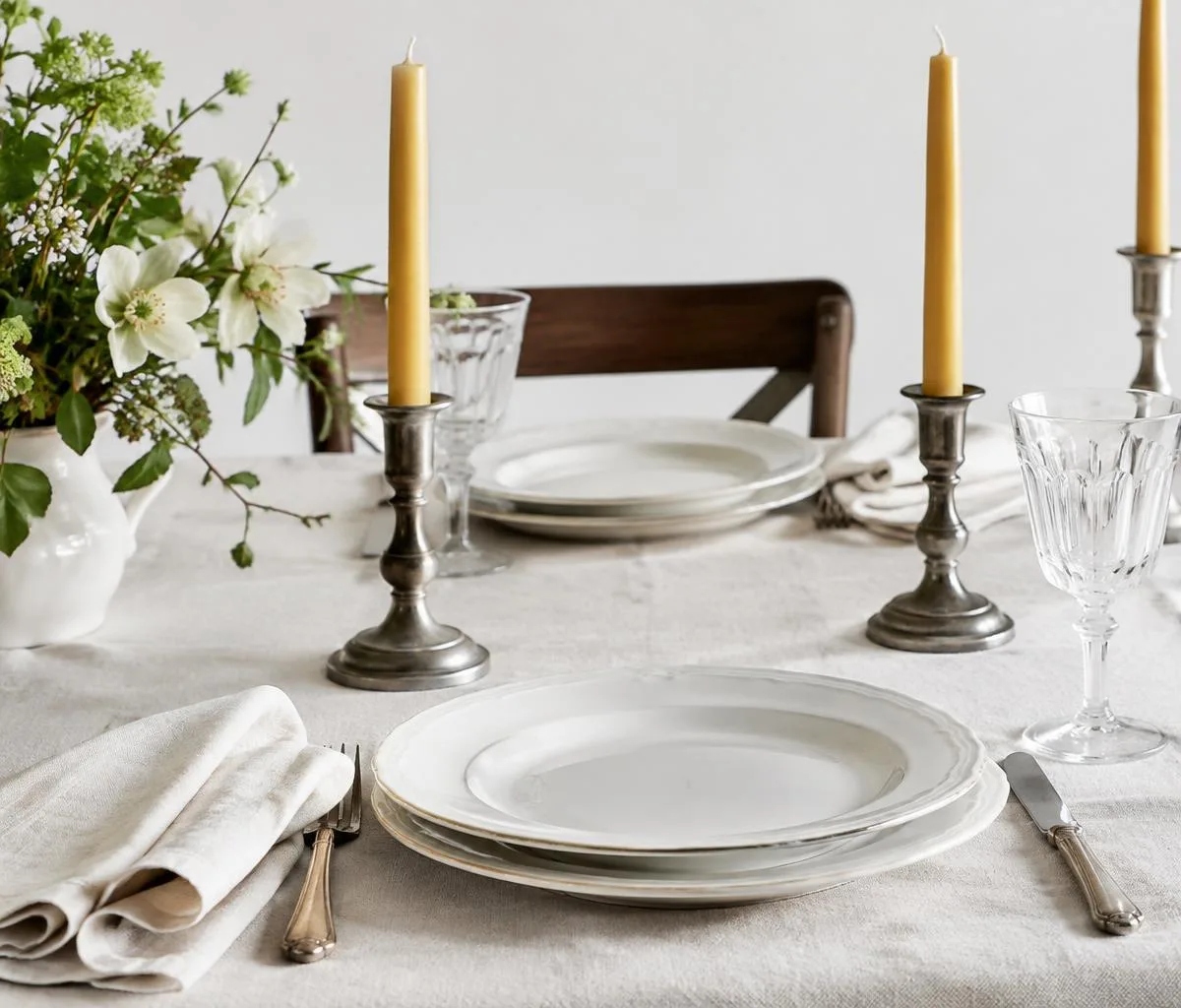
Scale manipulation is an effective, non-intrusive method. Rather than setting the table with standard implements, introduce a single item that is subtly, undeniably incorrect in its proportions. Place an authentic, eight-inch master butter knife alongside an individual butter dish the size of a postage stamp, or provide a sterling silver coffee spoon measuring barely two inches from tip to bowl. When the guest attempts to stir their mug with an implement better suited to a dollhouse tea party, say nothing. Offer a standard spoon only after they have noticed the anomaly and laughed.
A printed morning menu card can also be employed with good results. Place a small, typed card upon their side plate, listing breakfast options with excessive historical pomposity:
- Porridge of the Shire: Rolled oats, water, an uncompromising pinch of coarse sea salt, served at room temperature to encourage moral fiber.
- The Baker's Reluctance: Sliced sourdough subjected to brief, indifferent heat, accompanied by churned cream from a cow named Beatrice.
- The Hen's Contribution: A single soft-boiled egg, prepared with an eye toward standard domestic conventions.
- Hot Infusion: Strong black tea, brewed until it darkens to the color of mahogany floorboards, suited for resolving disagreements.
Serve the actual breakfast promptly and generously. The joke is merely an appetizer; the eggs must be hot, the bread freshly toasted, and the coffee fresh. A host who offers a whimsical menu followed by cold porridge has misunderstood the assignment.
How Guests Reciprocate: Creating a Tradition of Play
When domestic jests are managed with taste and genuine warmth, they tend to foster an environment where guests feel invited to respond in kind. This reciprocal play transforms an ordinary social circle into a long-running domestic theater, where tiny traditions travel between households across months and years.
The counter-jest almost always takes the form of a quiet installation left behind upon departure. A thoughtful guest will wait until the host is busy packing the car or preparing lunch before placing a tiny, unexpected artifact where it will not be discovered for several days. Common forms of reciprocity include:
- The Tucked Miniature: Slipping a tiny plastic farm animal into the spice rack, positioned neatly between the ground coriander and the dried bay leaves.
- The Bookmark Revision: Leaving an absurd, handwritten postcard inside the guest room's bedside copy of Middlemarch, thanking the host for an imaginary lecture on Victorian drainage systems.
- The Framed Displacement: Moving a small photograph from the mantelpiece to the interior of the medicine cabinet, where the host will only encounter it on a quiet Tuesday morning while brushing their teeth.
When you discover such an installation three weeks later, the correct protocol is not to send an urgent text message, but to acknowledge it obliquely. A brief postcard reading, "The goat among the herbs has adjusted well to the climate," confirms receipt while honoring the restrained tone of the original interaction.
Common Mistakes to Avoid
Even well-intentioned domestic humor can spoil an otherwise pleasant weekend if the host loses sight of basic social instincts. The most common error is persistence: continuing a joke after the guest has shown signs of bewilderment, defensiveness, or fatigue. If a visitor does not find an eccentric guest directory amusing and instead asks with genuine worry whether the water is safe to drink, the host must immediately step out of character and reassure them plainly without condescension.
Another hazard is complexity. A joke that requires three props, a hidden speaker, and timed lighting will almost certainly fail or feel unpleasantly staged. Low-stakes jests should require minimal maintenance and leave no mess. Any jest involving food ingredients, sticky substances, or altered odors is thoroughly ill-advised. Finally, never tailor a jest to a guest's known insecurities, phobias, or professional stresses. If a visitor is an accountant suffering through tax season, leave arithmetic entirely off the breakfast menu.
Preparing Your First Subtle Interventions
To begin introducing this gentle tradition into your own home, avoid attempting multiple gags across a single weekend. Select one room and one light-handed intervention for your next familiar, close friend who comes to stay.
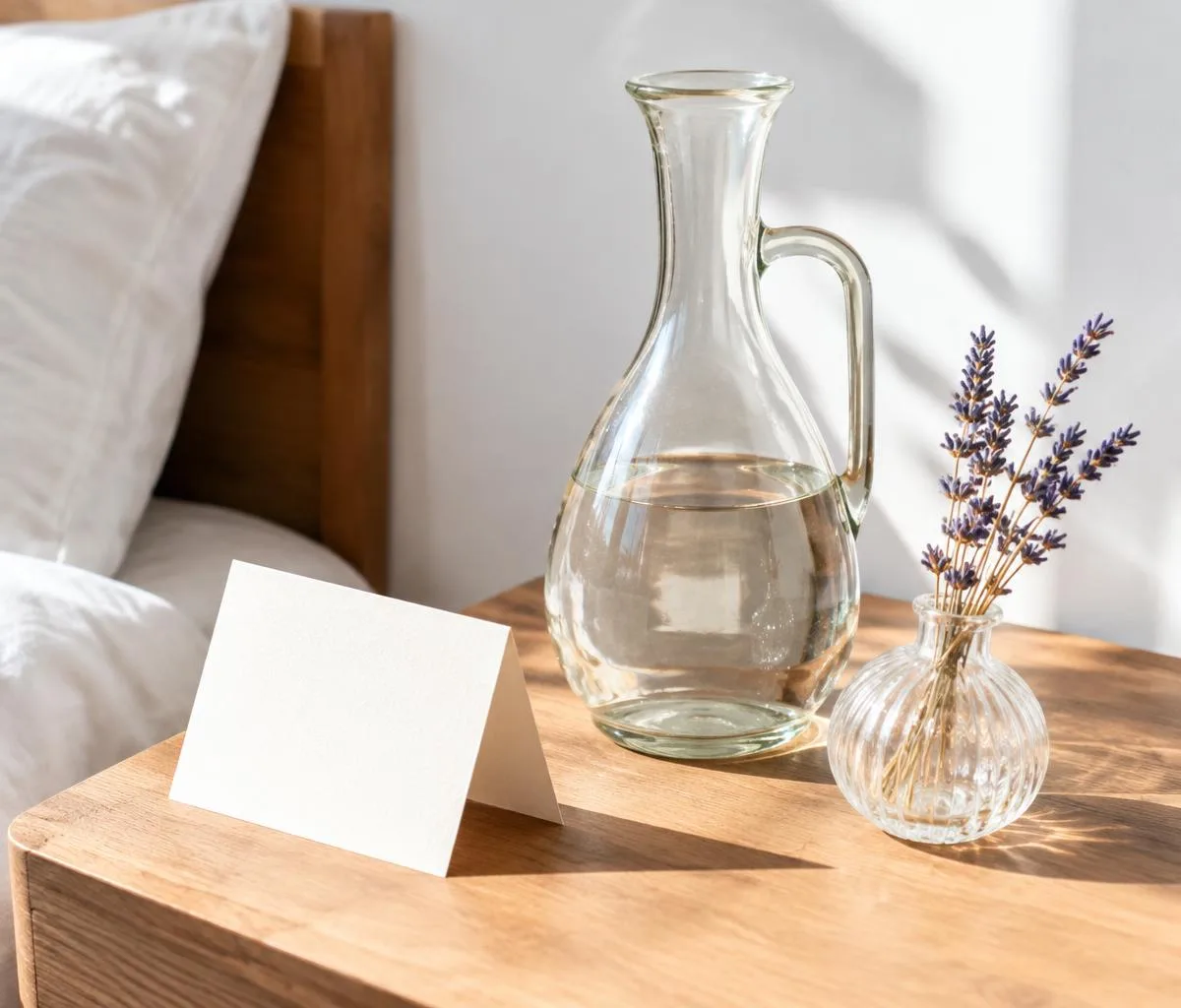
Three days prior to their arrival, prepare your material. If you choose the guest directory, draft two or three lines of absurd advice and integrate them into your genuine house sheet, printing it on good stationer's paper. Place it neatly on the bedside table beside a small carafe of fresh water and two clean glasses. Inspect the space to ensure the fundamentals are flawless: clean bedding, a freshly laundered duvet, working bedside lamps, and clear hanging space in the wardrobe.
When your guest arrives, greet them with warmth, carry their luggage, and offer them a restorative drink. Say nothing about the directory. Allow them twenty minutes of solitude to settle into the room. If they emerge downstairs with an amused expression and an inquiry regarding the house policy on 1924 agricultural manuals, you have succeeded. Pour them a glass of wine, maintain a calm countenance, and welcome them properly to the house.
The scenarios described herein are intended solely for lighthearted social entertainment among consenting acquaintances, and readers must exercise sound personal judgment regarding local laws, property safety, and individual sensitivities. Disclaimer